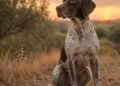
Canine leishmaniasis is a serious infectious disease caused primarily by the protozoan Leishmania infantum . Transmission occurs primarily through the bite of sandflies , small blood-sucking insects also known as phlebotomine sandflies.
It is a particularly serious disease for hunting dogs , which spend many hours outdoors and can be exposed to vectors during training, hunting trips, and kennels. The infection can remain dormant for months or years and manifest with very different clinical pictures.
What is canine leishmaniasis?
Leishmaniasis is a chronic parasitic disease that can affect the skin, lymph nodes, eyes, joints, and numerous internal organs. Among the most feared complications is kidney damage, which can severely impact the prognosis.
Not all infected dogs necessarily develop the disease. Some animals manage to control the parasite thanks to an effective immune response, while others show progressive symptoms. An apparently healthy dog may therefore be infected and require periodic checkups.
How leishmaniasis is transmitted
The main mode of transmission is the bite of a female sandfly . The insect acquires the parasite during a blood meal on an infected dog and can subsequently transmit it to another dog.
The sandfly is much smaller than a common mosquito, flies silently, and is particularly active from dusk to dawn. Its presence is favored by mild temperatures, high humidity, accumulations of organic matter, and places sheltered from the wind.
The period of greatest activity varies depending on the climate and geographic area, but generally extends from spring to autumn. In particularly mild climates, pest control may be necessary almost year-round.
Leishmaniasis is not normally transmitted through simple contact between an infected dog and a healthy one. However, less common transmission routes have been described, such as transmission through blood transfusions, from mother to pup, or during mating.
Can dogs transmit leishmaniasis directly to humans?
Leishmaniasis is a zoonotic disease , but owners do not typically contract the disease by petting, feeding, or living with an infected dog. Transmission to humans also generally requires the intervention of a sandfly vector.
The presence of a positive dog should therefore not lead to the animal being driven away or abandoned. It is, however, essential to provide veterinary care and protect it from bites, thereby also reducing the risk of sandflies acquiring the parasite.
Symptoms of leishmaniasis in dogs
Leishmaniasis can present with highly variable symptoms. The incubation period can be long, and some initial symptoms are nonspecific.
The most frequently observed signs include:
- progressive weight loss, even with preserved appetite;
- tiredness, apathy and reduced resistance to effort;
- swollen lymph nodes;
- dermatitis with dandruff and flaking;
- hair loss, especially around the eyes, on the muzzle and ears;
- skin wounds that tend not to heal;
- excessive and abnormal growth of the nails, called onychogryphosis;
- nosebleed;
- eye inflammations;
- lameness, stiffness and joint pain;
- paleness of the mucous membranes due to anemia;
- increased thirst and urine production;
- vomiting, loss of appetite and other signs consistent with renal failure.
The presence of just one of these symptoms is not sufficient to diagnose leishmaniasis. However, it is advisable to consult a veterinarian, especially if the dog lives or has lived in an area where the disease is widespread.
Why kidney damage is particularly dangerous
During the course of the disease, immune complexes can form and deposit in the kidneys, causing progressive impairment of their function. Leishmaniasis-associated nephropathy is a major cause of worsening of the condition and can appear even when external symptoms appear limited.
For this reason, urine tests, evaluation of proteinuria and monitoring of renal parameters are essential both at the time of diagnosis and during treatment.
Diagnosis of leishmaniasis
Diagnosis shouldn't be based solely on a rapid test. Your veterinarian will evaluate your dog's medical history, symptoms, physical examination, and laboratory results.
The most commonly used tests include:
- serological tests to detect and quantify antibodies against Leishmania;
- PCR to search for the parasite's genetic material;
- cytological or histological examination of lymph nodes, bone marrow, skin or other tissues;
- complete blood count;
- biochemical profile with evaluation of kidneys, liver and serum proteins;
- complete urine test;
- urinary protein to creatinine ratio to quantify proteinuria;
- serum protein electrophoresis.
A positive result indicates that the dog has been exposed to the parasite, but it does not automatically indicate the presence of a serious clinical disease. It is necessary to distinguish between an asymptomatic infected dog and a truly ill dog, also evaluating any organ damage.
Can leishmaniasis be cured?
Leishmaniasis can be treated, and many dogs, if diagnosed early, maintain a good quality of life for years. Available therapies reduce the number of parasites, control symptoms, and limit organ damage, but generally do not completely eliminate the infection.
The dog can therefore remain a carrier and experience relapses. For this reason, regular veterinary check-ups are necessary even after the symptoms have disappeared.
Treatment of canine leishmaniasis
The treatment protocol must be chosen by the veterinarian based on the stage of the disease, kidney function, present symptoms, and the dog's general condition.
Treatments may involve the combination of specific drugs, including:
- allopurinol;
- miltefosine;
- meglumine antimoniate.
Supportive therapies may also be necessary to control proteinuria, renal failure, anemia, ocular disorders, skin lesions, or joint pain.
Allopurinol administered for prolonged periods may promote the formation of xanthine crystals or stones. During therapy, your veterinarian may therefore prescribe urinalysis and specific dietary recommendations. Medications should never be administered or discontinued independently.
Dog check-ups during and after therapy
Monitoring is an integral part of treatment. The frequency of tests depends on the severity of the case, but they typically include:
- body weight and general condition;
- possible reappearance of symptoms;
- complete blood count and biochemical profile;
- kidney function;
- urine test and proteinuria;
- antibody titer, when clinically indicated.
Improvement in symptoms does not necessarily mean complete inactivation of the infection. Therefore, follow-up visits should continue according to the schedule established by your veterinarian.
Prevention of leishmaniasis
The most effective prevention is to reduce the risk of your dog being bitten by sandflies. No single measure guarantees absolute protection: the best results are achieved by combining repellents, proper environmental management, diagnostic checks, and vaccination when indicated.
Repellent pesticides
Veterinary products with specific repellent properties against sandflies must be used, available in the form of collars or spot-on formulations. Treatment should be started before the start of the high-risk season and repeated according to the recommended duration and method.
Not all flea and tick treatments are effective sandfly repellents. Furthermore, some active ingredients intended for dogs can be dangerous for cats: the choice should therefore be discussed with your veterinarian.
Reducing exposure
During the months at risk it is advisable to:
- limit the dog's time outdoors from dusk to dawn;
- let him sleep in closed and protected spaces;
- install mosquito nets with very fine mesh;
- avoid stagnation, accumulations of leaves and organic material;
- keep kennels and shelters clean, dry and well-ventilated;
- protect all dogs living in the same facility.
Vaccination
Vaccination can help reduce the risk of developing the disease, but it does not guarantee prevention and is not a substitute for repellents. Before vaccination, the dog is generally checked for infection.
The veterinarian determines the suitability of the subject, the vaccination protocol and the need for subsequent boosters.
Periodic tests
In endemic areas, it's helpful to have your dog checked regularly, even if symptoms are absent. The frequency should be determined based on the dog's place of residence, travel history, and level of exposure.
Leishmaniasis and hunting dogs
Hunting dogs pose a particular risk because they frequent woodlands, countryside, coastal areas, wetlands, and outdoor shelters during the hours when sandflies may be most active.
Prevention should therefore include:
- timely application of the repellent without leaving uncovered periods;
- protection even during training, dog tests and trips;
- checking the lifespan of the collar and replacing it within the expected timeframe;
- periodic inspection of the skin and nails;
- weight and resistance control during work;
- periodic veterinary examinations, especially at the end of the peak exposure season;
- night shelter in environments protected by very dense nets.
A drop in performance, unusual fatigue, or progressive weight loss should not be automatically attributed to age or the hunting season: they may represent the first signs of a systemic disease.
Prognosis
The prognosis depends primarily on early diagnosis, response to treatment, and the presence of kidney damage. In cases identified early and properly monitored, a good quality of life is often possible.
The prognosis becomes more cautious when advanced renal failure, severe proteinuria, significant anemia or other systemic complications are already present.
In short (Italian only)
Canine leishmaniasis is a chronic and potentially serious disease, but it can be controlled with early diagnosis, personalized treatment, and ongoing monitoring. Preventing sandfly bites remains the most important tool, especially for hunting dogs and animals living or traveling in endemic areas.
Any suspicion must be evaluated by a veterinarian: tests performed without a proper clinical assessment and improvised therapies can delay the diagnosis and compromise the dog's health.