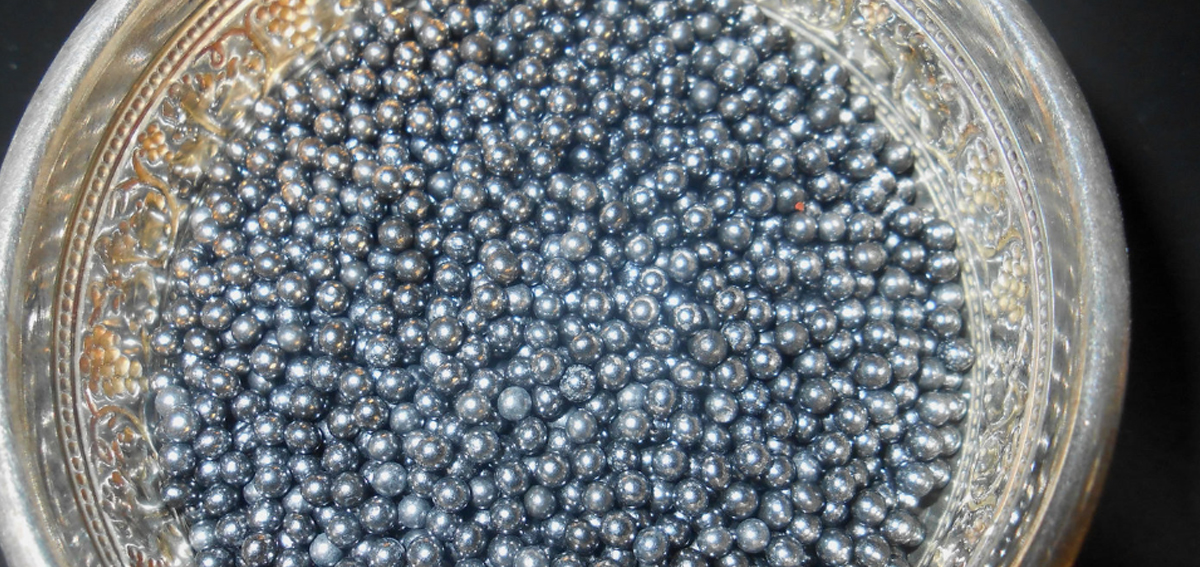
The REACH Committee recently discussed and voted in Brussels on the fourth review of the European Commission's proposed restriction on the use of lead in shotgun pellets used in wetlands.
Following a lengthy discussion involving the national delegations sitting on the Committee, a qualified majority voted in favour of adopting the proposed restriction under the REACH Regulation.
While awaiting the official text, ANPAM – the National Association of Manufacturers of Sporting and Civilian Weapons and Ammunition – notes that, despite numerous revisions, the proposal still contains significant critical issues that risk unnecessarily damaging the European hunting sector:
A – The proposed definition of "wetland" is very broad and entirely follows the one contained in the Ramsar Convention, which could cause difficulties in identifying them; the wetlands covered by this definition, in fact, include all areas with water, visible or not (including dry peatlands, for example) and any area temporarily covered by water, regardless of its size.
B – establishes a buffer zone of 100 meters from the wetland area within which to prohibit the use of lead in ammunition. This could have negative consequences, for example, for shooting ranges located near wetlands.
C – Finally, it proposes banning the possession of lead ammunition while hunting in wetlands, both in general and for hunters crossing wetlands with unloaded rifles. Furthermore, this could create problems for hunters crossing wetlands (and the 100-meter buffer zone surrounding them) on their way to other hunting areas.
Together with the European federations and associations of hunters and firearms and ammunition manufacturers (FACE, AFEMS, and IEACS), ANPAM and the other national associations have been at the forefront of implementing specific initiatives to highlight to member countries the critical issues of the text as a whole and its future transposition at the national level. For example, in recent months, the associations have organized webinars dedicated to discussing and clarifying the critical issues outlined above, fostering numerous opportunities for discussion with all stakeholders involved in the individual member states. Special thanks go to the hunting associations gathered in the Joint Control Room and the shooting and user associations for their support in the various awareness-raising efforts carried out in recent months with the relevant ministries at the national level.
“ANPAM will continue to monitor the proposal's passage to the European Parliament and the Council, which will have three months to examine the text and be able to approve or reject it,” declared Stefano Fiocchi, President of ANPAM – At the end of these three months and, if neither of the two European institutions votes against the approval of the text, ANPAM will be committed to following the transposition at the national level, together with the associations and federations with which it collaborates.”