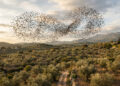
The Birdlife Report is merciless and illustrates how the decline of human activity is seriously jeopardizing the sustainability of bird populations. Habitat loss due to uncontrolled agriculture is the first serious risk factor that must be addressed immediately.
The numbers in the Birdlife report speak for themselves. Too clear, given the report's depth and detail, to ignore. The overall finding is that 40% of bird species are currently in decline. This appears to be due to human activity, given that 74% of the 1469 threatened species are threatened by global intensive agriculture. This finding, moreover, is not at all different from other more or less recent studies that have been presenting the same picture for decades.
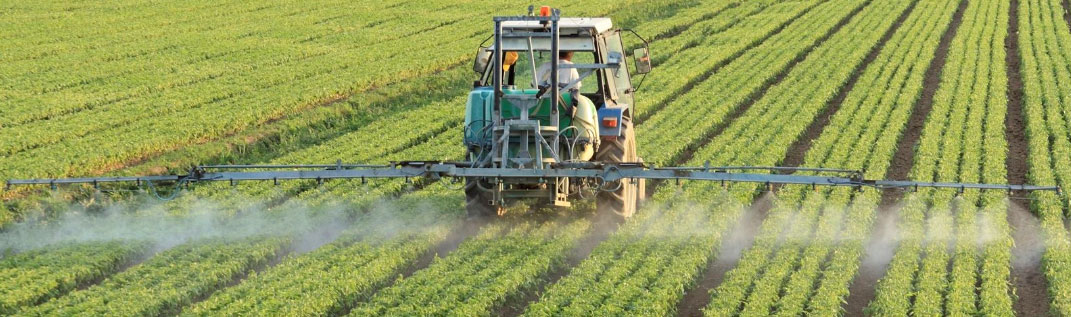
Global agriculture is therefore a major culprit, having grown sixfold in area over the past 300 years. This has led to a significantly increased use of pesticides. This is particularly critical for sugarcane, cocoa, coffee, palm, and soy plantations.
These highly scientifically based assessments therefore demonstrate that hunting is never the most damaging factor to wild species, because in developed countries it always respects elements of environmental sustainability. Where poaching replaces hunting, these elements of respect are lacking, and this adds to the critical challenges facing avifauna.
Precisely for this reason, the Birdlife report calls for effective measures to combat poaching, particularly in Southeast Asia, but there are no specific references to hunting, which is normally regulated in countries where it is practiced.
The Report identifies the proliferation of invasive species among the causes of the decline, in addition to agriculture, and the unspoken request to states is to carry out rigorous control.
Our environmentalists should take inspiration from these scientific approaches, as hunters do, and not abandon themselves, as they too often do, to fundamentalists who never get anywhere.
________________________________________________