
The accident on the A1 motorway in the province of Lodi has sparked a heated debate about the proliferation of wild boars and the associated risks to public safety. As usual, environmentalists blame hunters. ISPRA denies this theory.
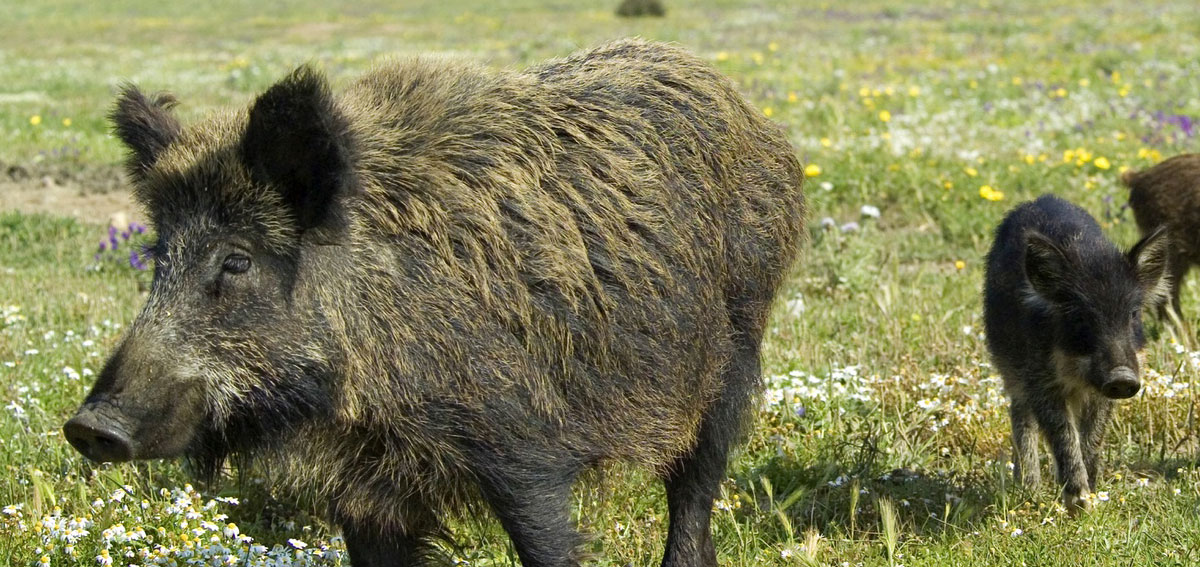
According to ISPRA, hunters are not responsible for the wild boar invasion in our country. Based on thorough research, the agency has determined that hunting should be ruled out as the source of the wild boar's proliferation in Italy. The origin of this species' growth lies elsewhere; it occurred primarily along the Apennine ridge, where mountain villages have increasingly become depopulated.
Regarding alleged crossbreeding with Eastern European species, this hypothesis has been ruled out by ISPRA . The most worrying presences are in Umbria, where there has been a shocking increase compared to 1991 data. Thirty years ago, this species was almost nonexistent, while today it has a very large population, one that is also dangerous due to its impact on human activities at all levels.
The Perugia and Terni Territorial Hunting Areas have decided to increase the number of quotas to cover the increased costs for damage to agricultural activities. Meanwhile—and this is paradoxical—selective hunting cannot begin in this area while awaiting the Regional Administrative Court's ruling on the WWF's appeal (the hunting season was supposed to reopen in January).